Home / Support & Downloads / 8-ohm versus 70V/100V: which belongs in a home
8-ohm versus 70V/100V: which belongs in a home
In short: One domestic room: 8-ohm constant impedance. Many speakers, long runs or commercial zones: 70V/100V. Never connect both to the same output.
The difference is how power is counted
Constant impedance counts ohms: two 8-ohm speakers make 4 ohms and the amplifier must be rated for it. Constant voltage counts taps: a speaker set to 7.5 W times ten is 75 W regardless of impedance, which is what allows long runs.
Why mixing fails
Connecting a constant-voltage speaker to an impedance output (or the reverse) gives quiet, distorted sound or protection shutdown. Amplifiers have separate terminals for each.
Choosing
| Scenario | Choice | Why |
|---|---|---|
| 5.1 cinema | 8 ohm | Dynamics and quality first |
| 6-12 ceiling speakers | 70/100 V | One amplifier, low line loss |
| Runs over 30 m | 70/100 V | Impedance runs lose low end |
| Mixed needs | Two amplifiers | Do not mix terminals |
Cost: constant-voltage trades per-speaker quality for coverage - never use it for main channels.
Related
- Selection guide hub
- CW90 with height channels: two ways to build 5.1.2
- IW3max vs IW4pro: what 85 mm and 105 mm really change
- IW4pro vs IW6 WIDE: what 105 and 185 mm change for a room
- Wireless cinema latency: will lip-sync drift?
- Should you pre-wire the living-room cinema?
- Troubleshooting
- Case breakdowns
- Download center and support
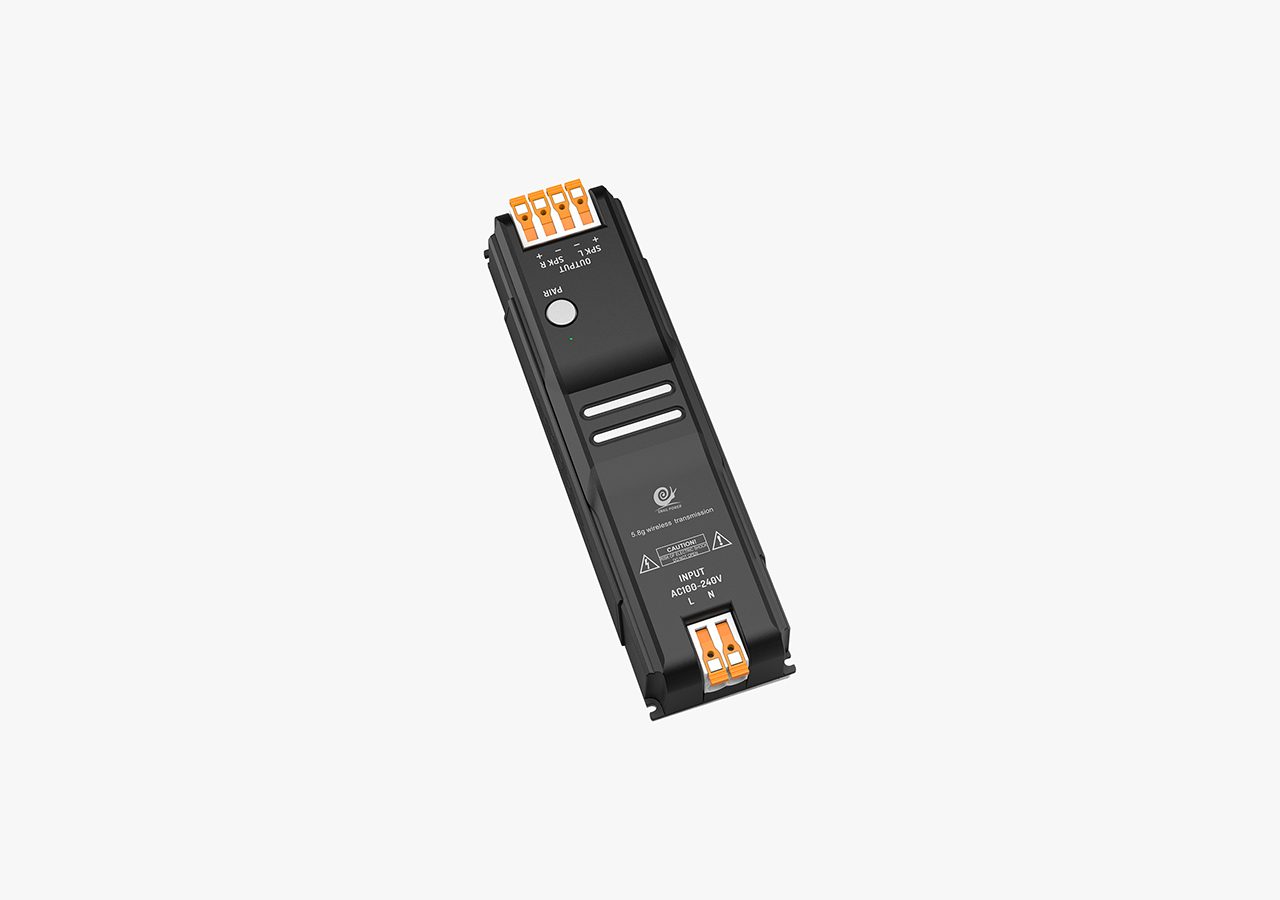 ST2 Multi-Zone System Launched: One House, Every Room Its Own Music (Video)