Home / News / Featured Projects / IW6 Handover, Start to Finish: A Double-Height Case in 51 Seconds (Video)
IW6 Handover, Start to Finish: A Double-Height Case in 51 Seconds (Video)
2026-11-24 09:05 · Featured Projects
The IW6 WIDE is the concealed cinema system from SNAIL POWER: the IW series opens a Ø185~190mm cut-out, and the official 7.1 concealed package — IW6LCR-II×3 + IW6max×4 + S10D subwoofer — is quoted on request. It is specified for double-height living rooms, where the ceiling positions sit far from the sofa.
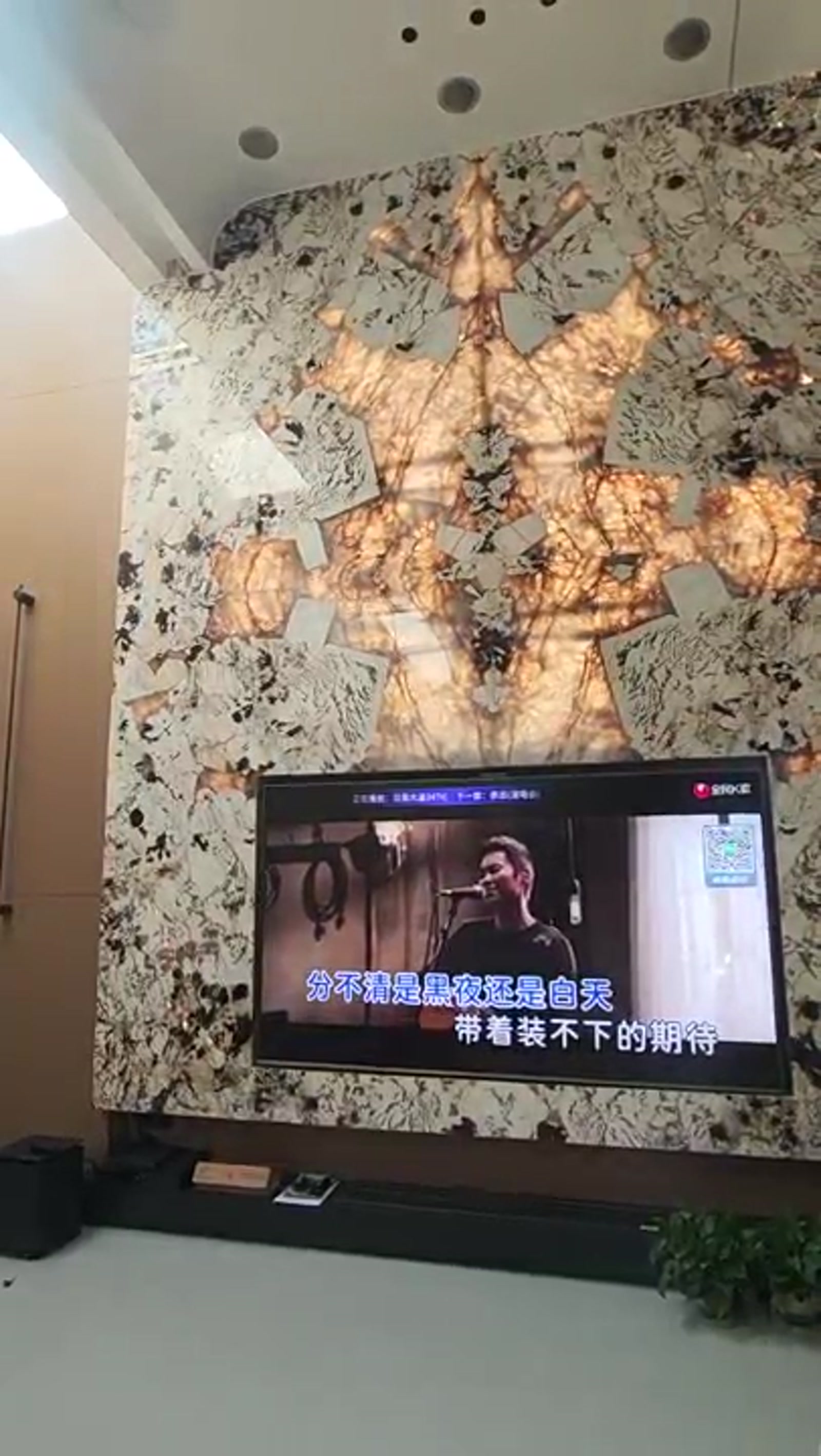
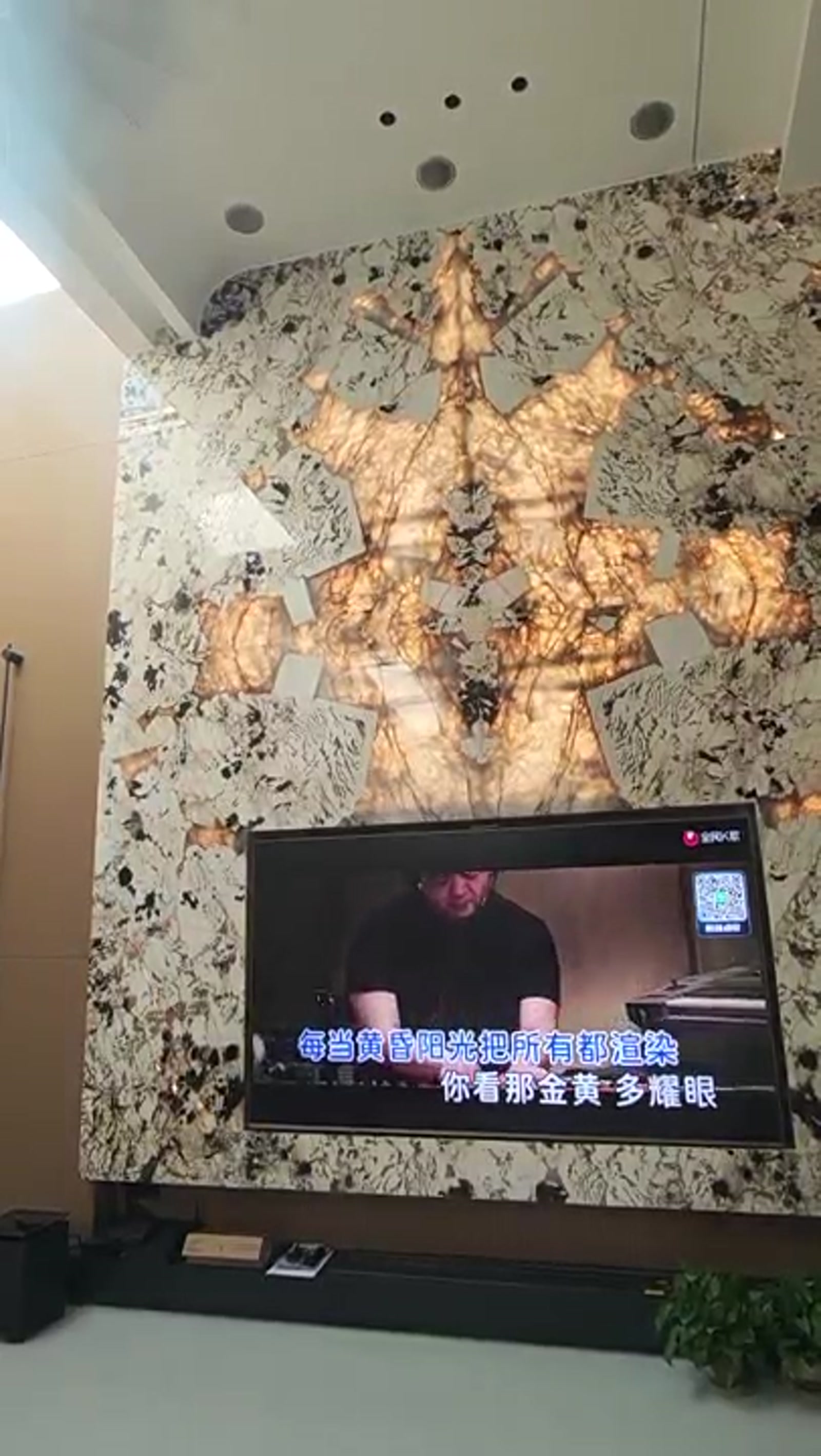
The video is a 51-second handover clip. It confirms one thing: that living room has a tall ceiling, the work is finished, the surface is clean, and standing there you cannot see a cabinet. Fifty-one seconds cannot hold a process, so this piece will not describe the footage. It works through how many gates a wired in-ceiling concealed cinema passes between drawing and signature, and where the cost sits at each.
Key points
- Handover means the job can be inspected, not that the install is done and photographed.
- The IW series cut-out is Ø185~190mm; the CW90 is Ø90mm. Do not mix the two on a drawing.
- The construction window for a wired in-ceiling system closes when the boards go up.
- The 7.1 concealed package is quoted on request; amplification, ceiling work and work at height are extra.
- Under 3 metres of ceiling, boards already closed, or a budget in the entry bracket: this package does not apply.
1. The Word Handover: All Three Lines Have to Pass at Once
There is no agreed industry standard for "handover complete", and what the owner hears and what the installer says are often two different accounts. In a double-height living room only three lines can be checked against each other, and missing one of them means the job has not passed.
It sounds right. Whether sound pressure at the main seat is enough, whether left, centre and right lock their image at the middle of the screen, whether the sofa back has eaten the surrounds, whether a gap has opened between subwoofer and mains. That is judged by measurement and by ear, not by eye.
It looks absent. After the install the ceiling reads as though nothing was done to it: the trim ring sits flush with the emulsion, and the extra ring beside the downlight is not obvious. This is the line a photo taken with the lights on will happily paper over; look again with the lights off and it is another story.
It can be found. When a run goes open, when one cabinet is silent, when the subwoofer drops out, can the fault be located without taking the ceiling apart? Once a concealed speaker is boarded in, only electrical things stay adjustable: level, delay, crossover. Fix the driver position and nothing moves physically.
The trade-off: if those three lines stay verbal, acceptance becomes an on-site negotiation. Write the positions, the target sound pressure and whether there will be an access hatch onto one sheet of paper before work starts; that is worth more than any argument afterwards. Skip it and the finished job gets settled on goodwill.
2. What the 51 Seconds Did Not Film: The Order of Operations
The sequence on a job at height runs like this: fix the sofa, screen and lighting positions; produce the layout and wiring drawings; check the ceiling framing against the cut-out dimensions; install the conduit; re-check before boarding; cut and mount; calibrate; hand over. The 51 seconds are the result of the first five items having been finished properly.
A double-height ceiling is not an empty plane. Inside there are usually air-conditioning grilles, smoke detectors and an access hatch, sometimes a cable tray too. A Ø185~190mm cabinet has to be threaded into the gaps between those services, following the framing without resting on it. Half a metre the wrong way and the aim is off by an angle; the person at the end of the sofa then hears a different cabinet.
Getting a speaker into the downlight position is a road SNAIL POWER has been on for a while: founded in Milan in 1995, the variable waveguide structure worked out in 2016, the IW3 launched in 2018. That entry point leans harder on drawing accuracy, and therefore on the order above.
The real work of home theater design at this stage is sequencing, not model selection: which step must finish before the boards go up, and which can wait until the install. Written down, that is what keeps rework down.
The trade-off: the bill for reversing the order is easy to calculate. Moving one cut-out after the boards are up is four operations: take the ceiling down, alter the framing, re-cut, repaint. The labour and the paint repair both land on the owner, and on a double-height ceiling the patch shows in daylight.
3. Specifications and Price: Put the Numbers You Can Check Side by Side
The official price list is quoted by package, not by unit. The table puts the usual lines together so they can be read against the state of your renovation.
| Model | Cut-out | Package configuration | Official package price | Renovation condition |
|---|---|---|---|---|
| CW90 wireless cinema | Ø90mm | CW90×5 + W10 subwoofer + MS-1 | Price on request | Can be retrofitted after renovation |
| IW3max | Ø185~190mm | 5×IW3max + B28 subwoofer + AV-700III + MU-1 | Price on request | Wired in-ceiling |
| IW4pro | Ø185~190mm | 5×IW4pro + C110 subwoofer + AV-700III + MU-1 | Price on request | Wired in-ceiling |
| IW6 WIDE | Ø185~190mm | IW6LCR-II×3 + IW6max×4 + S10D subwoofer | Price on request | Wired in-ceiling, double-height space |
A millimetre is a detail on a drawing and not a detail on site. The CW90 has a Ø90mm cut-out, a Ø105mm faceplate and a 100mm cabinet height; the IW series and the Mini cut Ø185~190mm. Cut the other size and the cabinet either will not go in or goes in and will not clamp, and both mean opening the hole up or patching it closed.
The CW90 single-unit figures sit here for reference: a 2.75-inch full-range driver plus a passive radiator, 90W per unit, 109dB. A small driver reaching that pressure comes down to power that stays under control and a peak that does not run away, a point routinely skipped when the whole system is discussed.
The three-dimensional audio part depends on the amplifier and on the source. Dolby Atmos and DTS:X certification in progress.
The trade-off: specifications answer two questions only: will it fit, and can it be driven. That figure is the official package price for the speakers and the subwoofer; the amplifier is not in that line. A double-height room adds scaffolding or a hoist, often more expensive than mounting the speakers. One step up the same list sits the X series, and which tier the money goes into is a call only you can make.
4. Wiring: The Window Opens Once
In a double-height living room, home theater wiring is the biggest cost line, and technology is not the hard part. Count the ceiling from 4 metres and up: cable runs in conduit or tray, and somebody works standing at that height. Come back after boarding and the sequence is take the ceiling down, pull cable, make good, repaint — four operations whose price and noise both land in a home people already live in.
So the order is fixed: settle the plan before the ceiling is boarded; after boarding the only option left is wireless. The CW90 5.1 wireless cinema exists for the retrofit market — a dedicated 5.8GHz channel, no speaker cable pulled, quoted on request. Already finished, ceiling not to be touched: that is the route. Insist on 7.1 concealed and you accept surface trunking or a partial ceiling opening; neither is pretty.
With living room cinema speakers, fitting in and being heard are two separate problems. In a double-height room the second is plainly harder, because the drivers are further from the ears.
The trade-off: conduit is the one step that cannot be bought later. One extra cable in the pipe during the build costs very little; adding one afterwards costs many times more, and you accept a repaired scar across the ceiling. That money can only be spent before work starts; afterwards there is nowhere to spend it.
5. Who Should Not Buy This System
This section decides suitability more reliably than the specification table, so read it first.
- A living room under 3 metres. Double height is not a prerequisite; sound does not need to pay for ceiling you happen to have. The CW90 5.1 wireless cinema, with its Ø90mm cut-out, suits an ordinary flat exactly.
- Already renovated, ceiling not to be touched. Wired in-ceiling has no retrofit version; the package does not apply, so go straight to the wireless line.
- Karaoke as well as film. On the official price list the cinema-and-karaoke configurations sit on the CW90, IW3max and IW4pro lines; the IW6 WIDE is listed as 7.1 concealed. Get that in writing before ordering.
- A budget that stops below this tier. That figure covers speakers and subwoofer. Amplification, work at height and calibration are extra, and the landed total comes out clearly above that.
- A room of only 10–15m². A small space cannot collect the return on a double-height version, and the extra money buys back nothing acoustic.
One more thing that gets skipped: hard finishes in a double-height living room are mostly stone, glass and large painted plaster, so reverberation runs longer than in a flat. Directivity settles whether sound reaches the sofa; it does not settle sound bouncing across the ceiling. Holding reverberation down is separate work in soft furnishing and absorption.
The trade-off: the acceptance standard for a concealed cinema speaker is not on the spec sheet; it is on the ceiling surface. No visible trace is only half of it — invisible and unintelligible means it may as well not be there. Both have to hold at once, which takes fixing the sofa, screen and lighting positions at the design stage and leaving the decisions on the drawing.
6. In One Sentence: Three Conditions, and One Missing Is Enough to Stop It
The judgement in one line: the IW6 WIDE is right for a double-height living room when three things hold: the ceiling height is genuinely there, the ceiling is not yet boarded, and the budget reaches that level. Take one away and the premium buys nothing in return — the CW90 5.1 wireless cinema is less trouble and much harder to get wrong.
The living room in the video has been handed over, and what 51 seconds shows is a clean ceiling. The decision is not in the frame. It is on the drawing, before your ceiling is boarded.
The trade-off: all three must be settled before you buy. Find out afterwards that the ceiling is too low, or already closed, and it cannot be returned or rescued with construction work.
Related articles
- Six-Metre Ceilings: Installing IW6wide in a Double-Height Living Room (Video)
- IW4pro On-Site Install: One Case Start to Finish in 77 Seconds (Video)
- IW3mini + B28, Long Cut: A Full 5.1 Handover in 46 Seconds (Video)
END
#IW6WIDE #SnailPower #ConcealedSpeakers #DoubleHeightLivingRoom #HomeTheaterWiring #HandoverLog
Written by Digital Xiaoniu, first published on the SNAIL POWER official site, Classic Cases.