Home / News / Product News / CW90 Wireless vs Wired In-Ceiling: Where the Money Goes
CW90 Wireless vs Wired In-Ceiling: Where the Money Goes
2026-11-24 12:05 · Product News
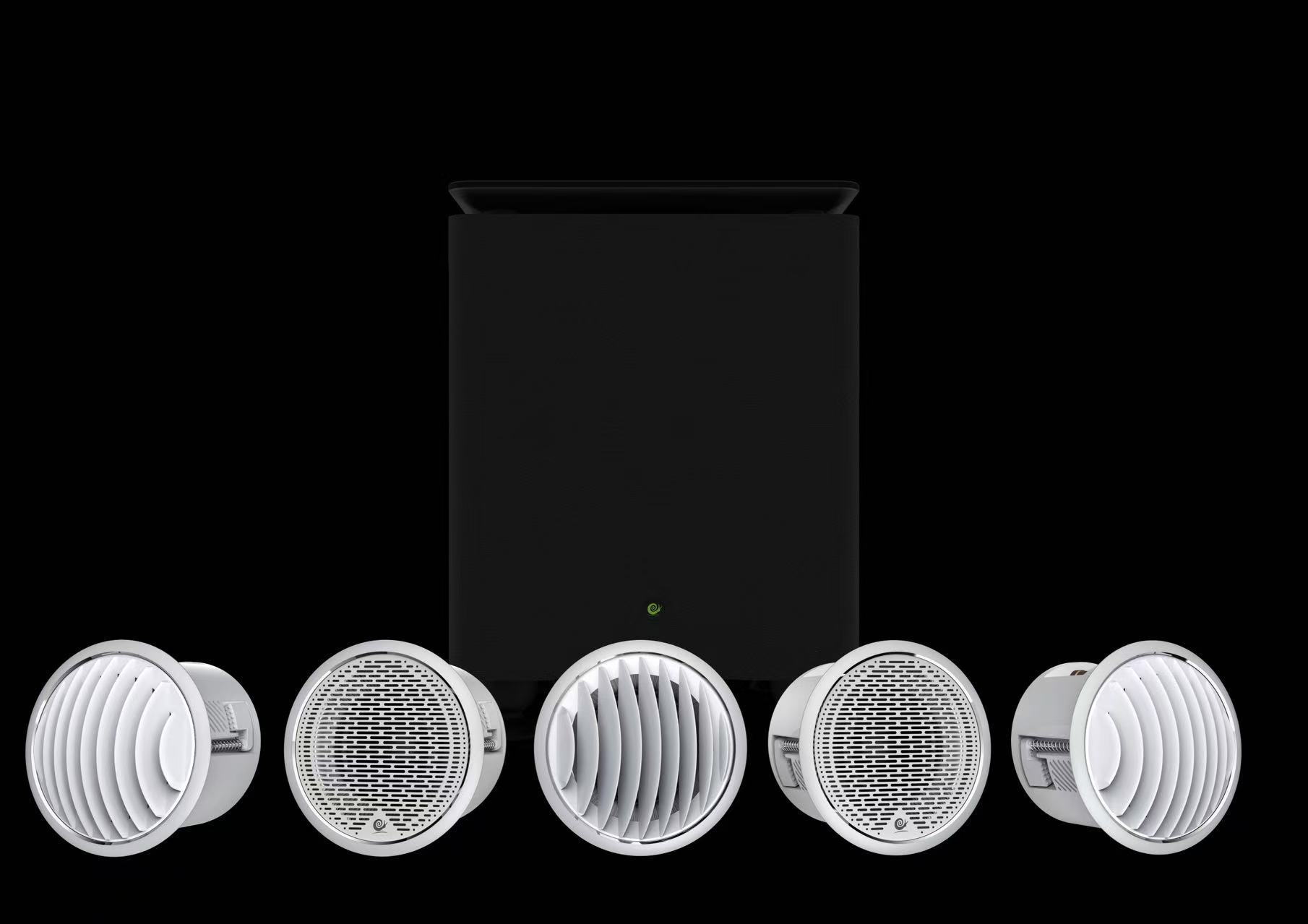
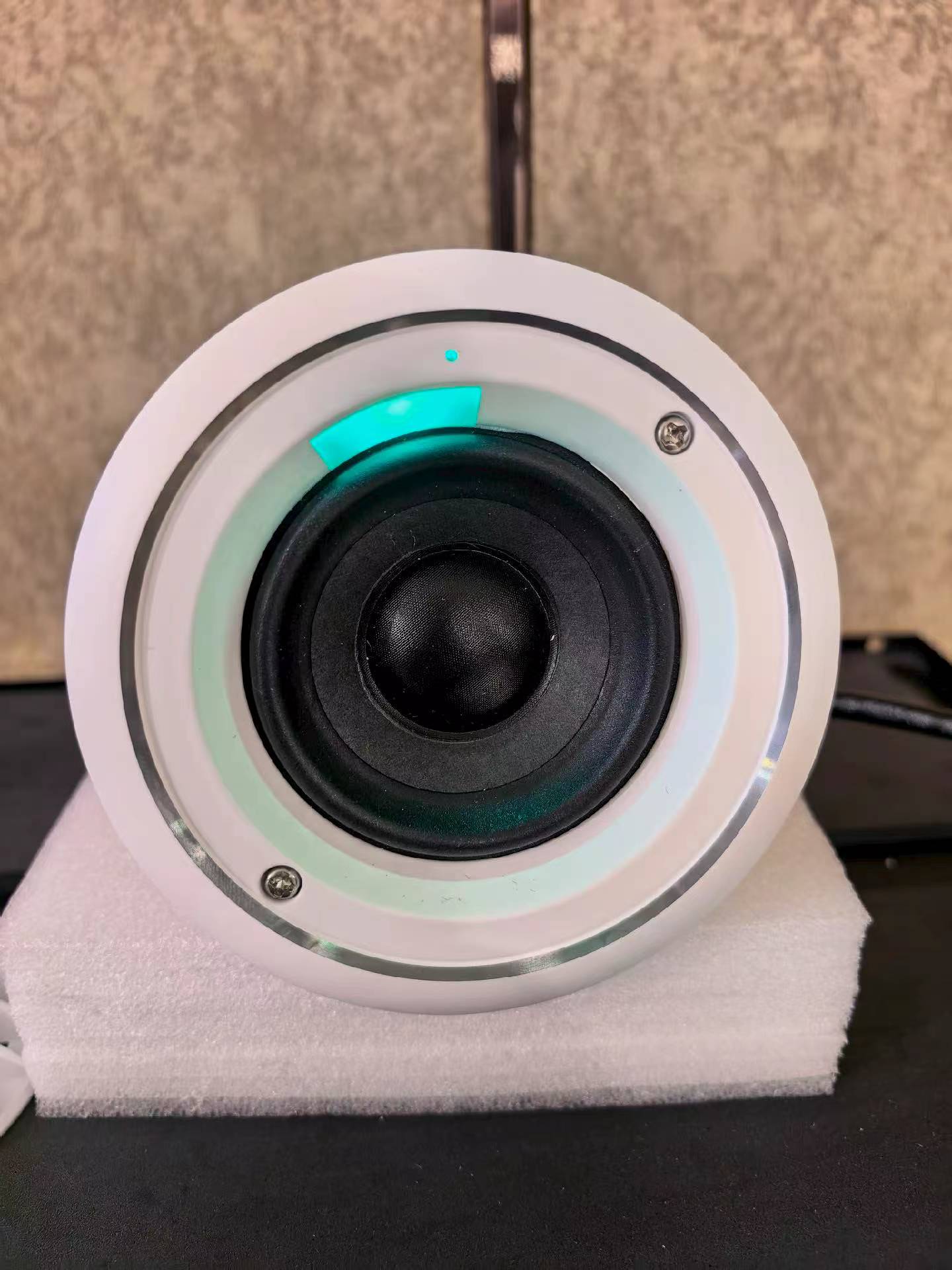
CW90 is SNAIL POWER's 2.75-inch full-range in-ceiling speaker: a Ø90mm cut-out behind a Ø105mm faceplate, 100mm of cabinet height, 90W per unit, 111dB maximum SPL, and price on request for the full 5.1 wireless cinema package — for finished living rooms with no cable left in the ceiling.
The question that comes up most: the same five CW90s, wireless and quoted on request, against wired in-ceiling work plus an amplifier and labour that often lands well above it — which part of that gap are you paying for? The money is not in the drivers; it is in the few metres between the rack and the ceiling.
Key points
- In the official November 2026 price list the CW90 has one configuration: CW90×5 + W10 subwoofer + MS-1, price on request, on a 5.8G dedicated channel, speaker cable not included.
- The wired route adds five runs of speaker cable, the chasing and ceiling repair with them, and an amplifier that can drive 90W per unit.
- Both routes top out at 111dB on the same 2.75-inch full-range driver with a passive radiator, and both cut out at Ø90mm — wireless saves installation, not headroom.
- In a finished house wireless rests on one condition: a stable power point at the MS-1 end. Without it the plan does not land.
- A living room of just over 20 m² doing 5.1 only is covered; for 7.1.4 or a dedicated room, go back to wired.
1. One Speaker, Two Ways to Connect It
Put the accounts on the table. In the official price list the CW90 occupies one line: CW90×5, the W10 subwoofer, the MS-1, price on request. There is no "wired CW90 package" — not an omission, since the wired side was never part of the package system.
A wired in-ceiling CW90 is the same CW90 on five runs of cable, with a separate subwoofer, power point and AV receiver. The speaker does not change: 2.75-inch full-range driver, passive radiator still in the cabinet. The gap is configuration plus installation, nothing to do with the driver.
The small cut-out deserves an aside: its significance is not on the spec sheet. Ø90mm means a hole in the ceiling barely larger than a downlight — no dropped ceiling is needed just to hide a speaker. People who have done this look at the cut-out first and the driver second: first whether the ceiling can pass, then the sound.
A warning about the number: the figure is a delivered-system price covering the items on that list. Cut-outs, trunking, board patching and paint are quoted differently from store to store. Before signing, get "includes cut-outs and making good" into the contract as one sentence — worth more than arguing over a small per-square-metre figure later.
The trade-off: it is one number for the system, not for the building work, and every store prices that work separately.
2. What the 5.8G Dedicated Channel Replaces
Five in-ceiling speakers means five runs of speaker cable, pulled from the amplifier rack into the ceiling. A finished house has two ways: surface trunking along the ceiling edge, or taking the ceiling down. The first is ugly, the second expensive, and there is no third route.
The wireless side replaces that stretch — signal on a 5.8G dedicated channel, nothing pulled between rack and ceiling. The words "dedicated channel" deserve a closer look: it is a link opened for this system alone, not one crowding the 2.4G band alongside the router, Bluetooth and the door locks. The difference shows when someone else's router reconnects — your side should not stutter with it.
Two costs follow. The first is the power point: the MS-1 end needs power, cannot be sealed inside a metal ceiling, and should not sit on the bottom shelf of the low-voltage box. Get it wrong and the trouble is not "will not connect" but "works sometimes", which costs more to trace than a dead line. The second is latency: every wireless link adds a layer copper does not have. Films and music never show it; rhythm games and beat matching feel half a beat — the price of the transport, and no brand avoids it.
The trade-off: wireless removes the cable between rack and ceiling, nothing else — not the cut-out, not the power point, not the 100mm the cabinet needs.
3. Where the Wired Money Goes: Three Places
The first is the cable: five runs, measured along the actual path from rack to each position, with slack at every corner. The second is conduit and making good — chasing, sleeving, boarding, sanding, levelling, painting. An older ceiling is often one sheet of plasterboard; making good usually costs more than the cable and appears on no price list. The third is the AV receiver: five CW90s at 90W per unit need an amplifier that can drive them, a substantial share of the total.
The wired advantages are real. It does not care about interference or where the power points are, and the rack can sit on the inner shelf of the TV cabinet and still work. That is a physical advantage, and no reason to deny it.
But count the whole bill. In a house already occupied, ceiling just finished, taking the ceiling apart to save a few cables is backwards arithmetic — the labour, the schedule, the dust, two days of the family moving out are all real and none of them is on the quotation. In home theater wiring the expensive part is never the cable; it is the taking down and the making good.
The trade-off: the wired bill is wide open, every line is arguable, and that is why it surprises people after the signature.
4. The Two Routes, Line by Line
| Item | CW90 wireless 5.1 cinema (official package) | Wired in-ceiling (same CW90) |
|---|---|---|
| Speakers | CW90×5 | CW90×5 |
| Driver | 2.75-inch full-range + passive radiator | Same |
| Cut-out / faceplate / height | Ø90mm / Ø105mm / 100mm | Same |
| Power per unit / maximum SPL | 90W per unit, 111dB | Same |
| Signal path | 5.8G dedicated channel | Five runs of speaker cable |
| Subwoofer | W10, included in the package | Supplied separately |
| Amplifier | Included in the package (model not itemised on the list) | Supplied separately |
| Installation work | Ceiling cut-outs | Cut-outs + chasing and conduit + making good the boards |
| Indicative total | Price on request | Varies with amplifier and installation |
The amplifier row needs a sentence more: this tier ships as a complete system and the list itemises no model, so ask for the amplifier and subwoofer models before signing, not just a total. Two systems both called "5.1" can differ widely, and the gap lands on the subwoofer and the receiver, not the speakers. That is the wireless tier's weakness: the total comes down, but how transparent the package is depends on you asking; unasked, the cheaper price never reaches you.
The trade-off: a package price is convenient precisely because it does not show the split; the wired route shows every line, and you argue over each one.
5. When to Accept Wired
The dividing line is not budget; it is the renovation stage. In a bare shell, with plumbing and wiring going in, cabling is all but absorbed into the renovation and wired is the cheaper route — do the 7.1.4 provision in the same pass and height channels later cost no ceiling work.
A house people live in reverses it. Ceiling boarded, paint dry, and the piece usually left out of home theater design becomes visible: where the rack goes, where the power point goes, where the cable runs. If it cannot be added now, wireless earns its keep — the blockage is almost always here.
Align the wording too, so the drawings do not get mixed: CW90 cut-out Ø90mm, faceplate Ø105mm, height 100mm; the IW series and the Mini are quoted at Ø90mm, 1mm apart, and a drawing that mixes the two is how a cabinet ends up not going in.
When the work is done, all that is left in the ceiling is a Ø105mm circle. That is what concealed cinema speakers mean: the customer does not want the word "cinema", he wants "you cannot tell a cinema was installed", which has nothing to do with wireless or wired.
The costs belong up front too. Wireless solves the cable layer only; low-frequency standing waves, sound insulation and the reflection off a glass coffee table are indifferent to the route. If the flat below is very sensitive, a floating floor does more than changing speakers, and no physics will make the downstairs neighbour hear nothing — say that before the recommendation.
The trade-off: wired buys immunity to interference and freedom from power-point placement, at the price of chasing, making good and an amplifier; wireless buys the absence of that work, at the price of one power point and a layer of latency.
6. Who Should Not Buy This Package
Four kinds of buyer can strike this package out.
- A living room over 25 m² with 7.1.4 in mind. Five in-ceiling cabinets cannot hold a soundfield of that size; look at the IW6 WIDE (price on request) and up.
- Anyone who cannot find five ceiling positions. Downlights, fresh-air vents, cassette air-conditioner returns and access panels have divided the ceiling up already. A Ø90mm hole is small, but the wrong position makes the sound wrong, and forcing five positions in is worse than changing the home theater design first.
- Anyone who needs approvals, tenders, or "certification complete". Dolby Atmos and DTS:X certification in progress on this system.
- Anyone buying it in place of a dedicated room. This is a living-room product: a little over 20 m², a film in the evening and a couple of songs at the weekend is its comfortable zone. Above that, both the cabinets and the subwoofer have to change.
One more case is not quite "should not buy" but needs preparing for: the package ships with the W10. Want a bigger one and price, footprint and placement all move with it. In living room cinema the subwoofer is usually the first thing compromised, and it is the foundation of the low end; pushed to the end of the budget, the five cabinets in front cannot make it back.
In one sentence: for a finished living room doing 5.1 only, on an entry-tier budget, this CW90 wireless set is the low-effort answer; what it saves is five cable runs and the days around them. Wire the same CW90 and the extra money buys immunity to interference and freedom from power-point placement, at the cost of chasing, making good and an amplifier. If the house is not finished, do not use wireless to do a wired job; if it is already lived in, do not take the ceiling down because "wired is more proper".
The trade-off: wireless changes the cable layer, not the ceiling: the cut-out is still Ø90mm, the cabinet still needs 100mm of clear depth, and the room still decides the low end.
Related articles
- Soundbar or Concealed Cinema? Ask the House Before the Speakers
- U3 vs U4max: What the 19,600 and 31,800 Actually Buy
- IW3mini vs IW4pro: Half an Inch, 50Hz and the Price List
END
#CW90 #Wireless51Cinema #ConcealedCinema #HomeTheaterWiring #LivingRoomCinema #InCeilingSpeakers #SnailPower
Written by Digital Xiaoniu, first published on the SNAIL POWER official site, Product News.