Points to Watch Out For
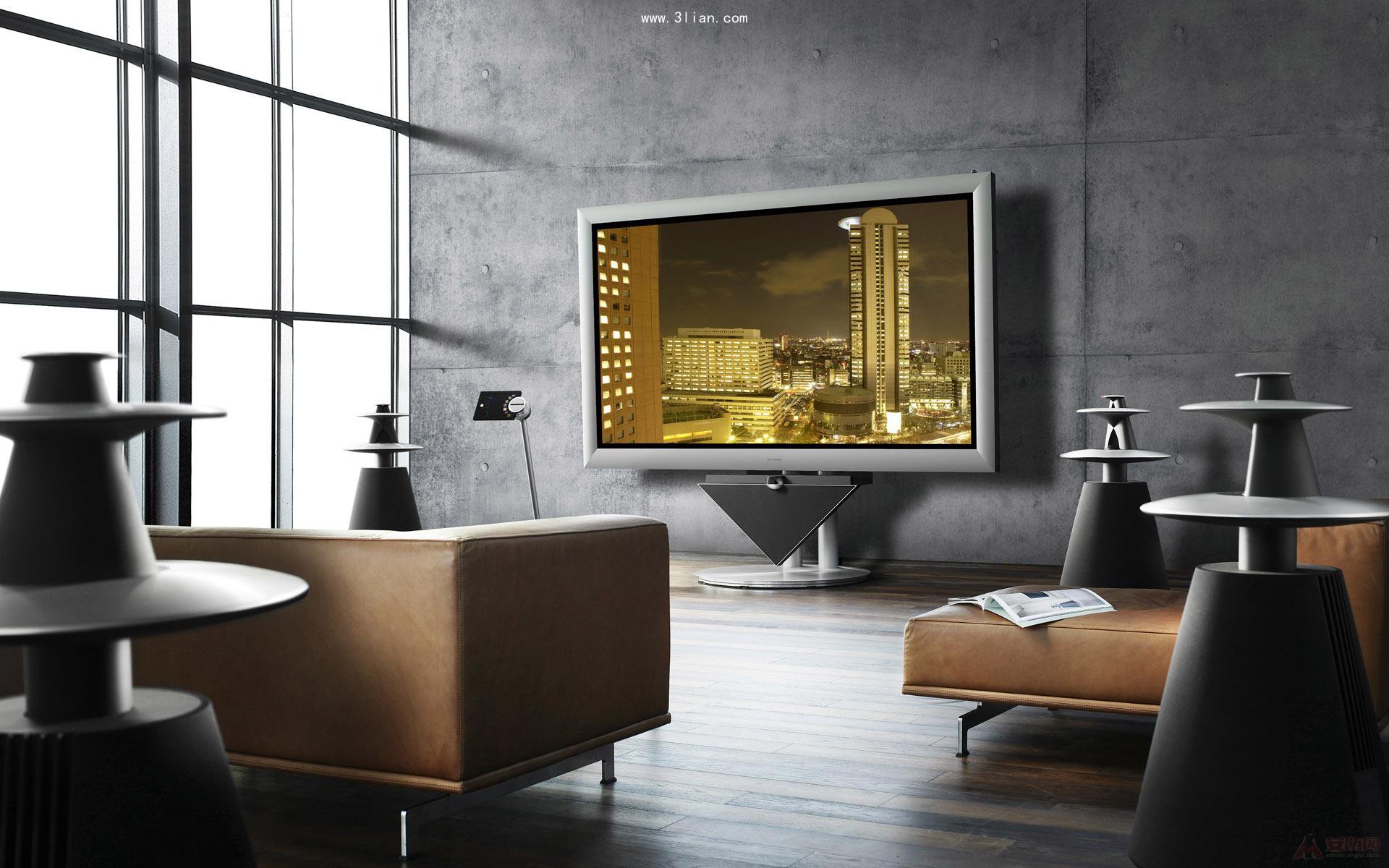
Misconception 1: Good products equal good results.
Many users believe that good quality equals good results, but that does not hold true for a home theater. A great result requires not only good products but also proper installation and calibration.
Misconception 2: Ignoring how the environment affects the result.
A high-quality home theater system placed in an unsuitable room performs worse than an average system placed in a suitable one, so the overall room layout and the positioning of the equipment are decisive for the performance of a home theater.
Misconception 3: Assuming that everything a famous brand makes is good.
Admittedly, many brand-name products do have their own merits and technical advantages, yet every brand has its limits. In other words, one model from a famous brand may be excellent while others are merely average, so combining the best products of different brands is the key to building a home theater.
Misconception 4: Not taking installation and calibration seriously.
With good products and a good room design, do not forget that proper installation and calibration matter just as much. Placing the right equipment in the right position and tuning it to suit the room, the user's preferences and the main purpose matters, in some ways, even more than buying good products.
Sound Field Treatment
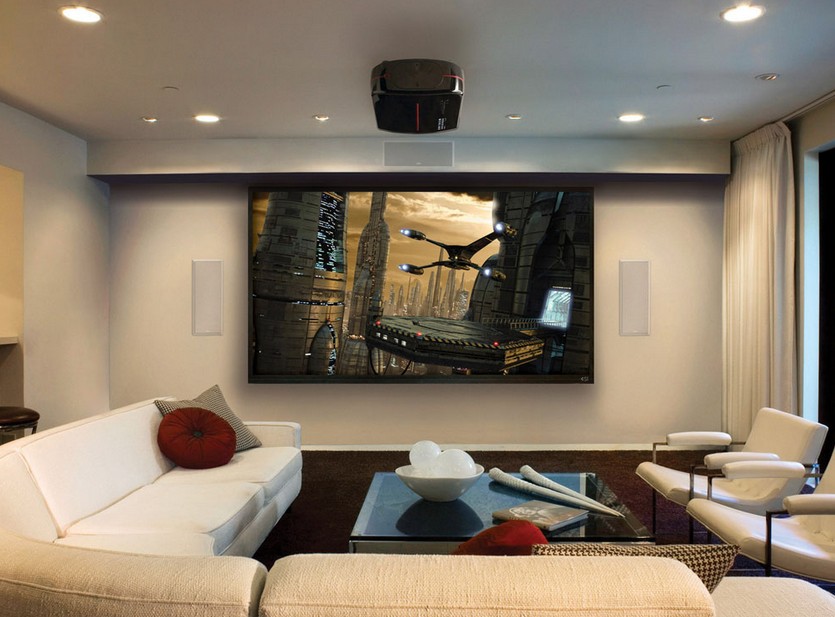
Treating the sound field really means getting the acoustics of the listening room right, and it should follow these principles:
1. Choose a suitable room ratio, make the walls non-parallel, or add diffusion, to avoid or reduce the effect of standing waves.
2. Keep the reverberation time appropriate so that the critical distance is as long as possible.
3. Absorb first-order reflections to reduce their interference with the direct sound.
4. Absorb sound as much as possible; if the required absorption cannot be achieved, diffuse the reflections as much as possible so that the sound field stays as even as possible.